
Sustainable Development Goals (SDG)
The Confucius Institute at Universiti Malaysia Sabah (CI@UMS) supports sustainable development through Chinese language education, cultural exchange, teacher development, and collaboration with educational institutions and community partners.
Our Contributions to the SDGs
Through educational programmes and cultural engagement, CI@UMS contributes to learning opportunities and partnerships that encourage intercultural understanding.
Partnerships for the Goals
Strengthening collaboration and partnerships
CI@UMS works with schools, universities, and other partners to promote Chinese language education, teacher development, student exchange, cultural engagement, and international academic collaboration.
Education and Capacity Building
- Chinese language courses and learning opportunities.
- Chinese language teacher training and professional development.
- Chinese Bridge competitions and student exchange activities.
- Chinese cultural workshops and educational activities.
Partnerships and International Collaboration
- Collaboration with local schools to promote Chinese language education.
- Academic and cultural exchange with partner universities.
- Student mobility and international educational programmes.
- Collaborative activities that foster intercultural understanding.
SDG-Related Activities
Explore selected CI@UMS programmes and activities that support education, cultural exchange, and institutional collaboration.
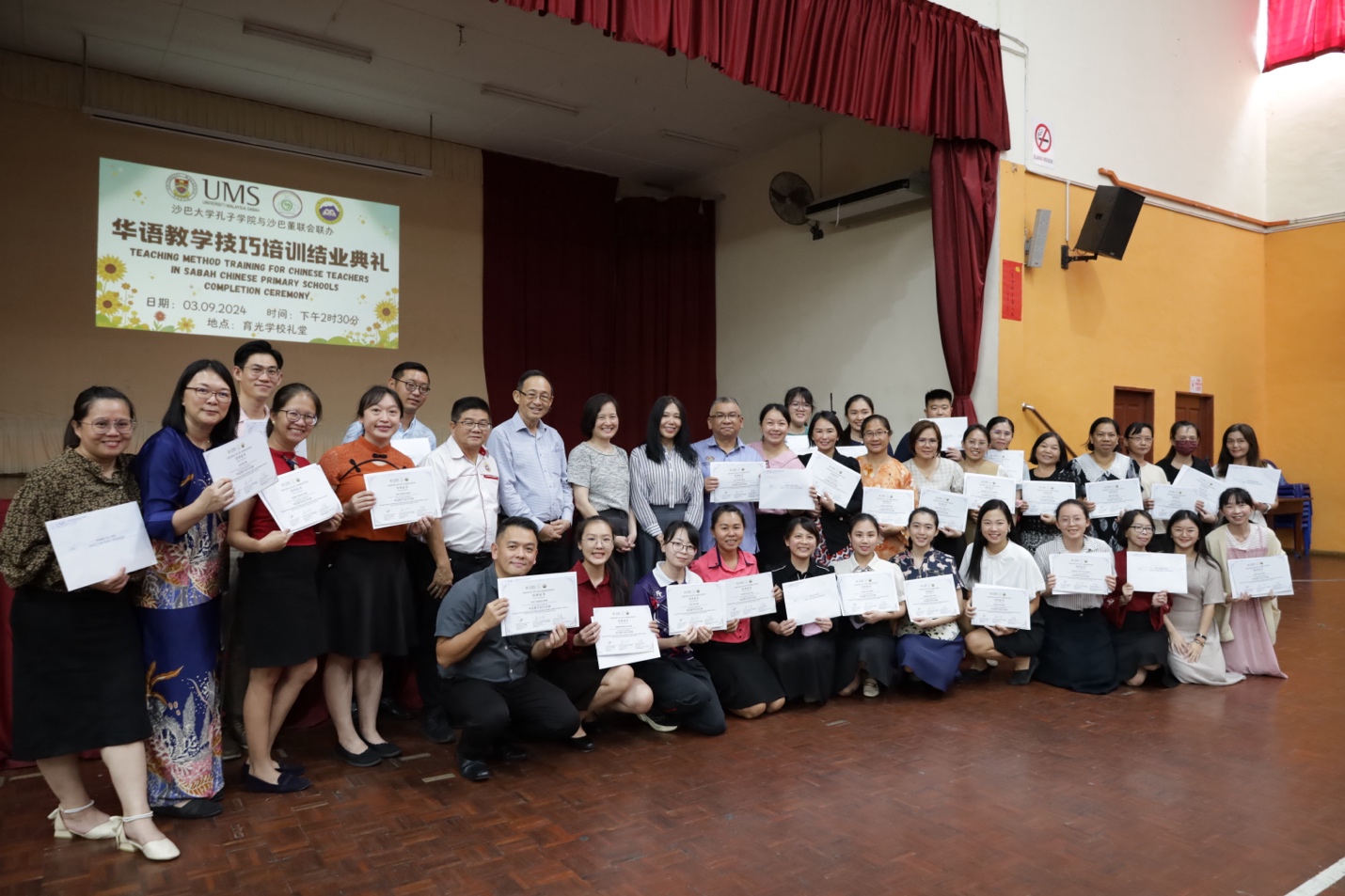
Chinese Language Courses / Teacher Training
CI@UMS collaborated with Donglian Sabah to conduct a Teaching Chinese to Speakers of Other Languages (TCSOL) training programme, attracting 172 teachers from across Sabah. The initiative aims to enhance Chinese primary school teachers’ teaching skills and better support non-Chinese students in learning Mandarin.
Read more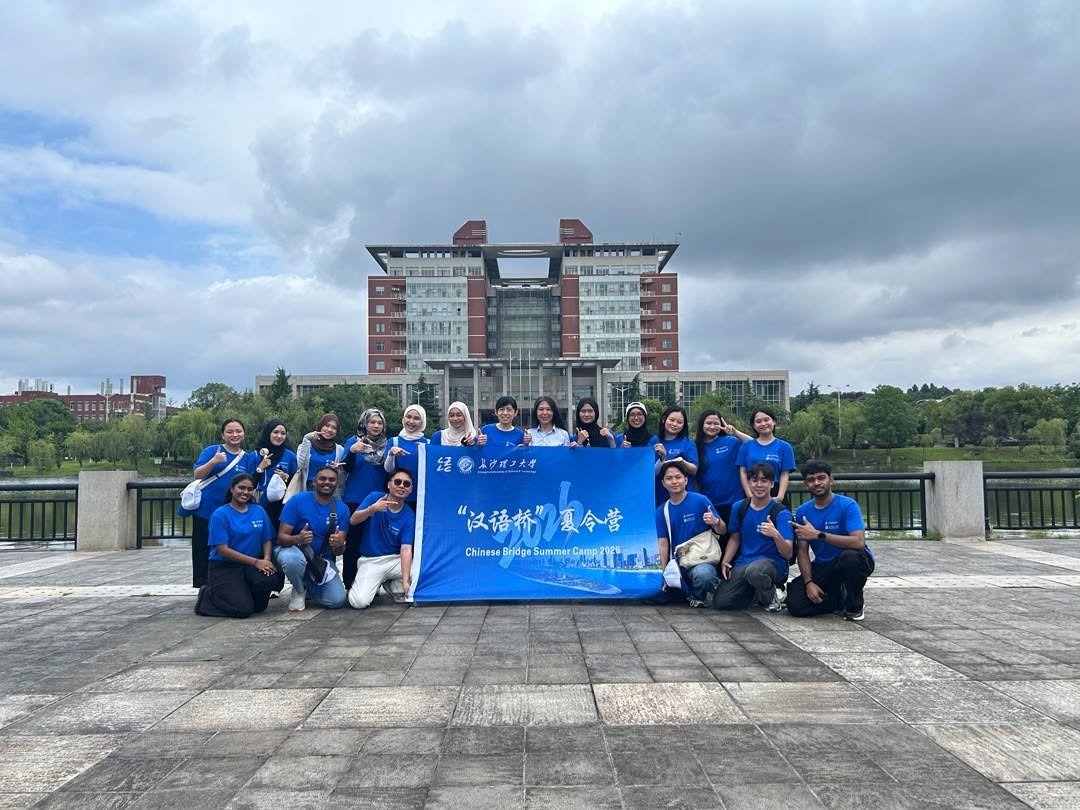
Chinese Bridge / Student Exchange
CI@UMS students participated in the 2026 “Chinese Bridge” Summer Camp in China, completing a 14-day journey of Chinese language learning, cultural exploration, and international exchange. The programme provided students with valuable opportunities to experience Chinese culture, build international friendships, and deepen their understanding of China.
Read more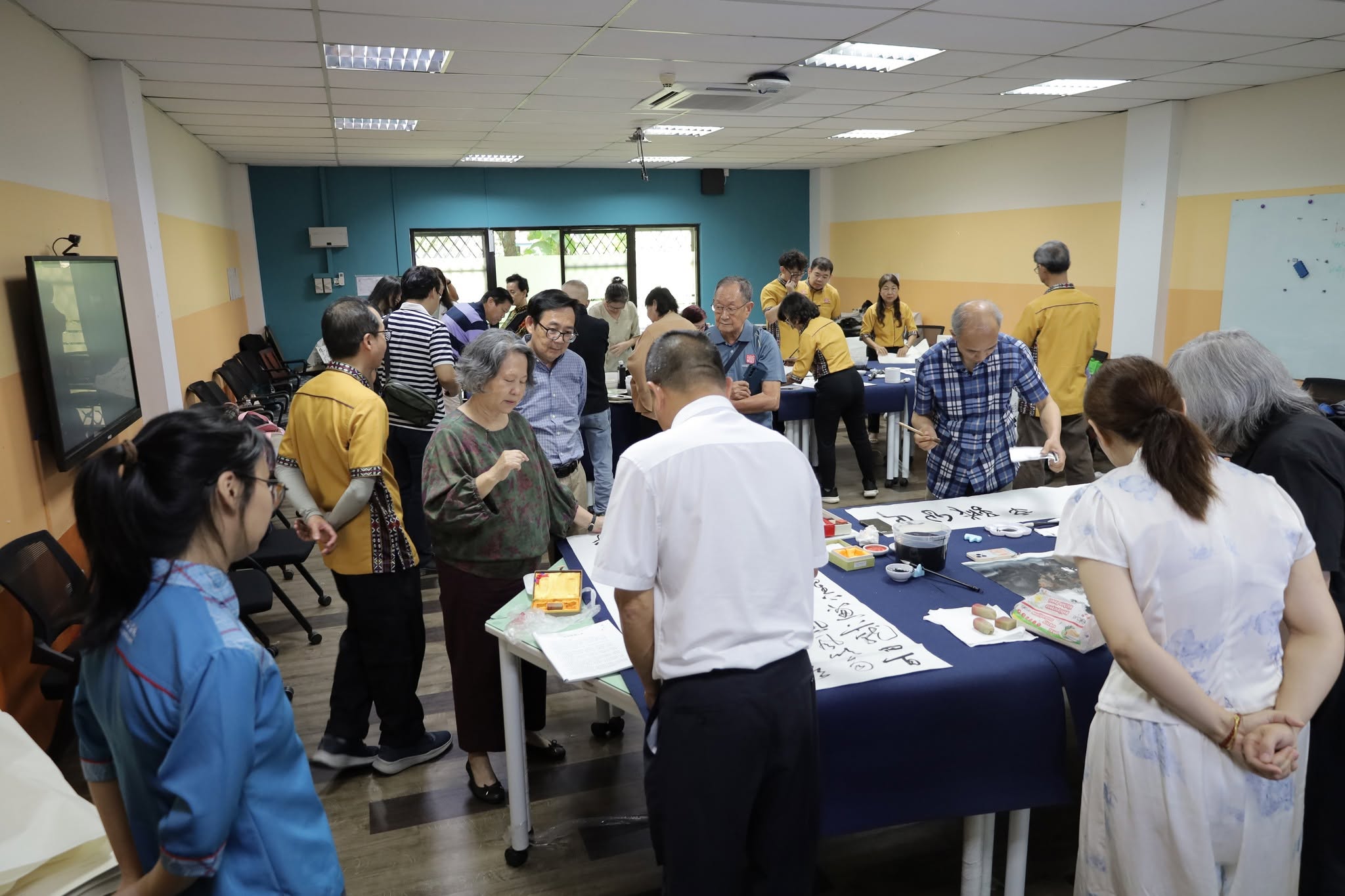
Chinese Culture Workshop
CI@UMS organised the “Ink Charm of Sabah, Hunan Affection in Nanyang” Malaysia–China Calligraphy and Painting Exchange on 25 May 2026. The event brought together artists from Malaysia and China through lectures, artistic demonstrations, and hands-on exchanges, promoting traditional Chinese culture, artistic learning, and cross-cultural understanding.
Read more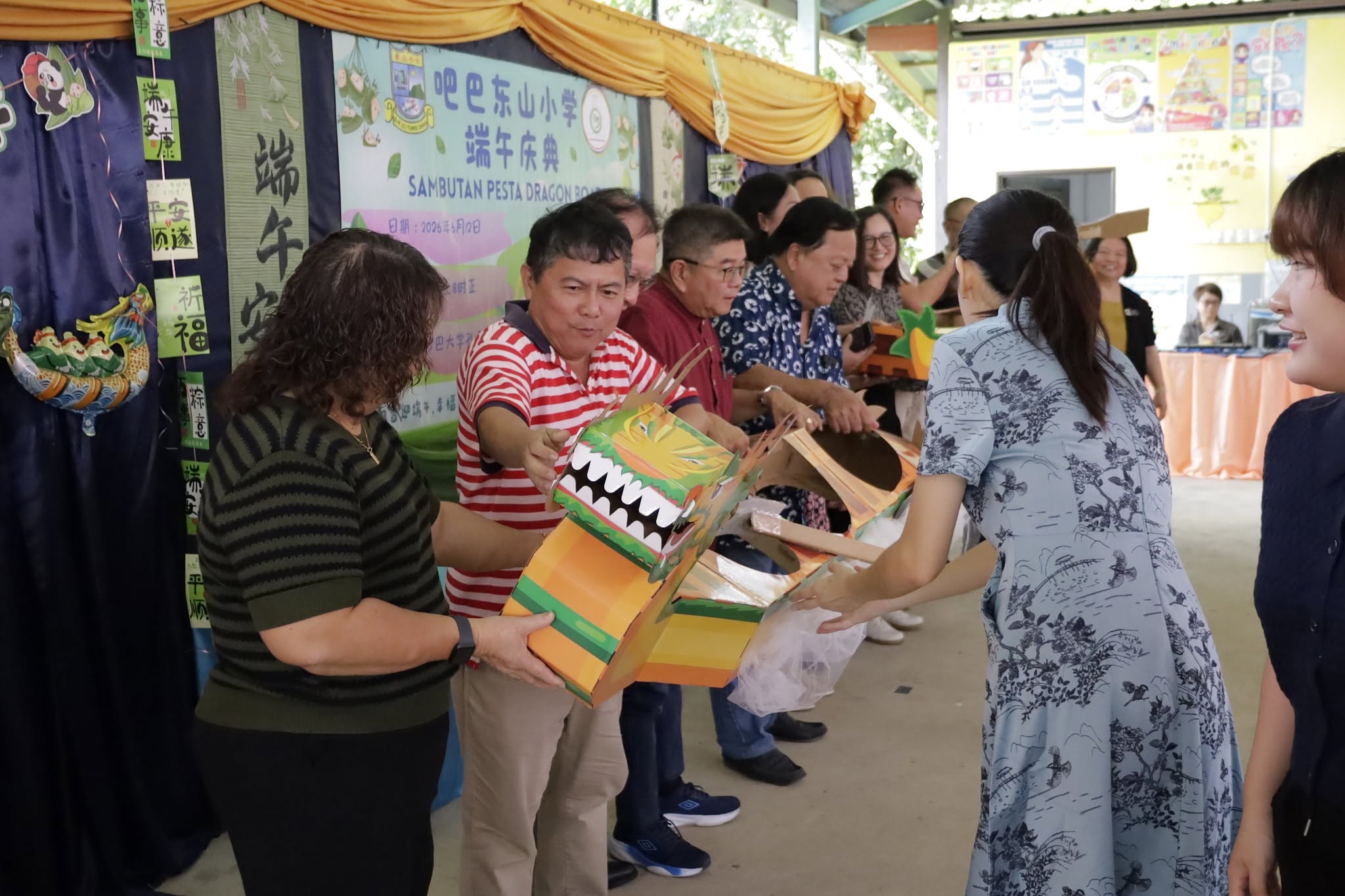
School Collaboration
CI@UMS collaborated with SJK (C) Tung Shan, Papar to organise the 2026 Chinese Cultural Festival – Dragon Boat Festival Celebration on 12 June 2026. The programme brought together 185 students and 30 teachers to explore traditional Chinese culture through hands-on activities, including dragon boat crafts and five-coloured thread weaving. The collaboration promoted cultural education and strengthened community engagement.
Read more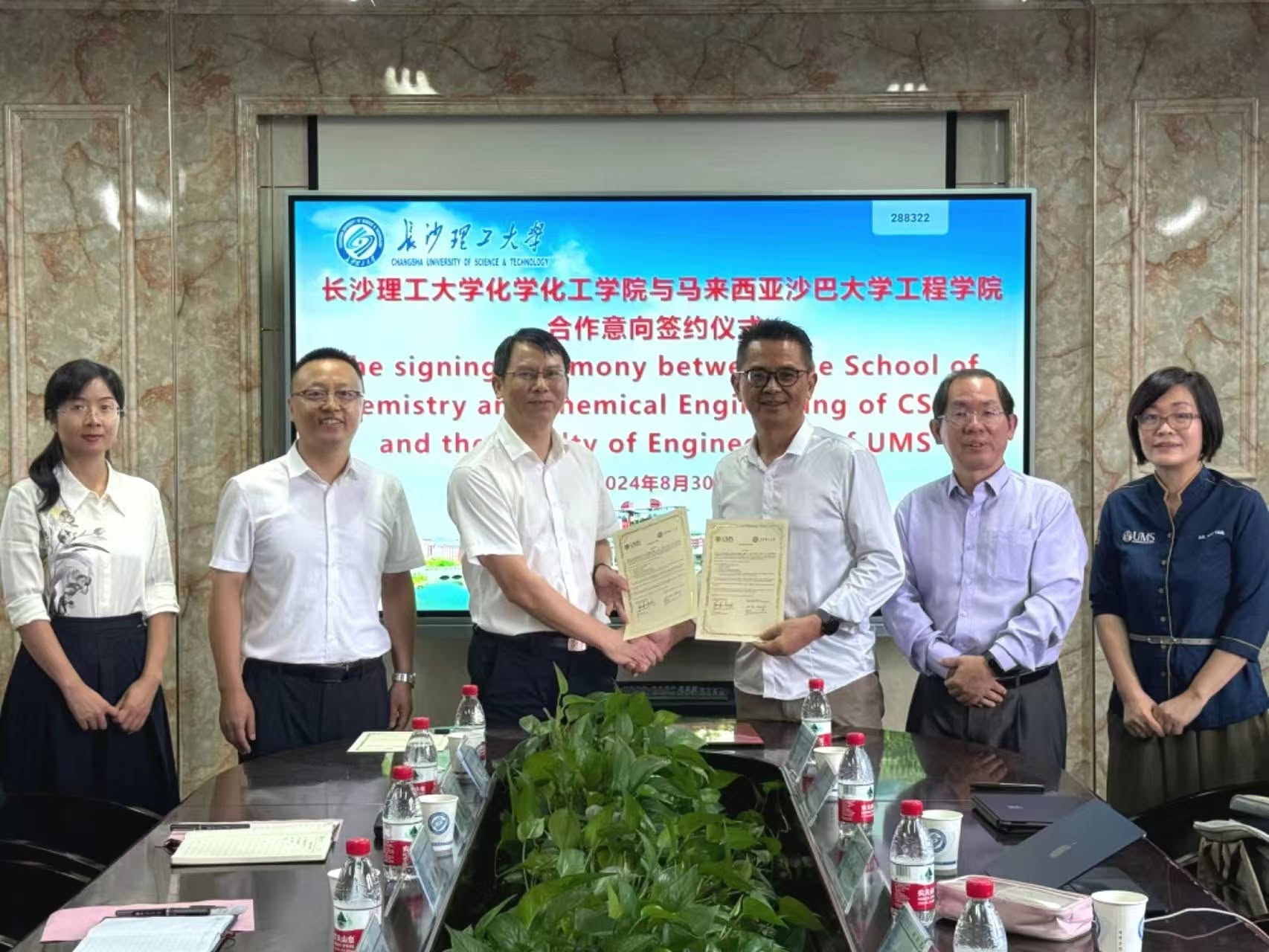
University / International Collaboration
CI@UMS facilitated an exchange visit by UMS Assistant Vice-Chancellor Prof. Coswald Stephen Sipaut to Changsha University of Science and Technology (CSUST) on 30 August 2024. The visit included academic discussions, laboratory tours, and the signing of a letter of intent to collaborate, laying the groundwork for future cooperation in academic research, international exchange, and talent development.
Read more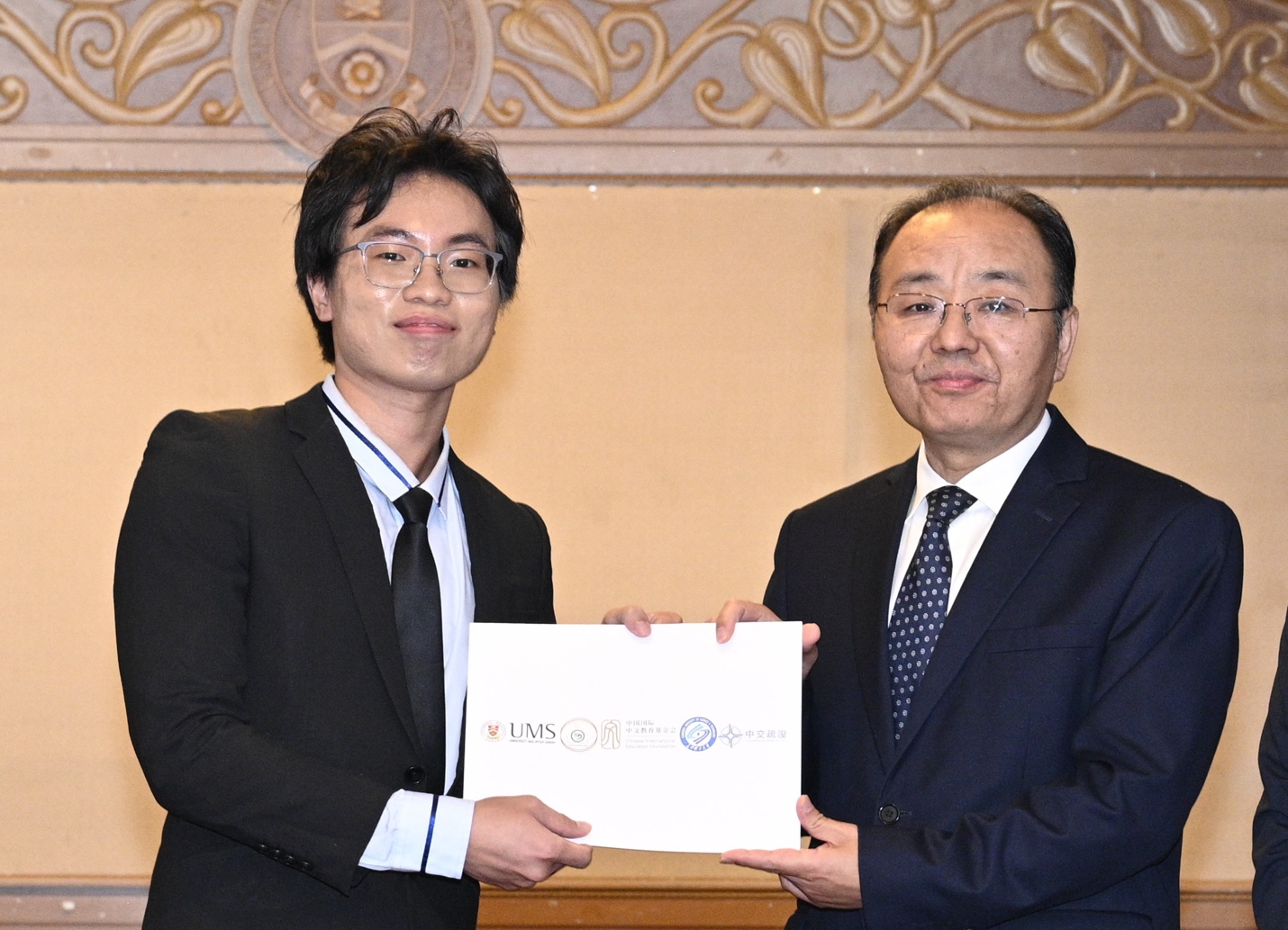
China Ambassador Scholarship
CI@UMS held the inaugural China Ambassador Scholarship award ceremony on 21 November 2024, recognising 20 outstanding students from various faculties at Universiti Malaysia Sabah. The scholarship supports academic excellence and provides students with opportunities to pursue their educational goals while strengthening Malaysia–China educational and cultural ties.
Read moreOur Commitment
CI@UMS remains committed to promoting Chinese language education, fostering intercultural understanding, and strengthening educational partnerships. Through continuous educational and cultural engagement, the Institute seeks to contribute to sustainable development within the university and the wider community.