

|
|
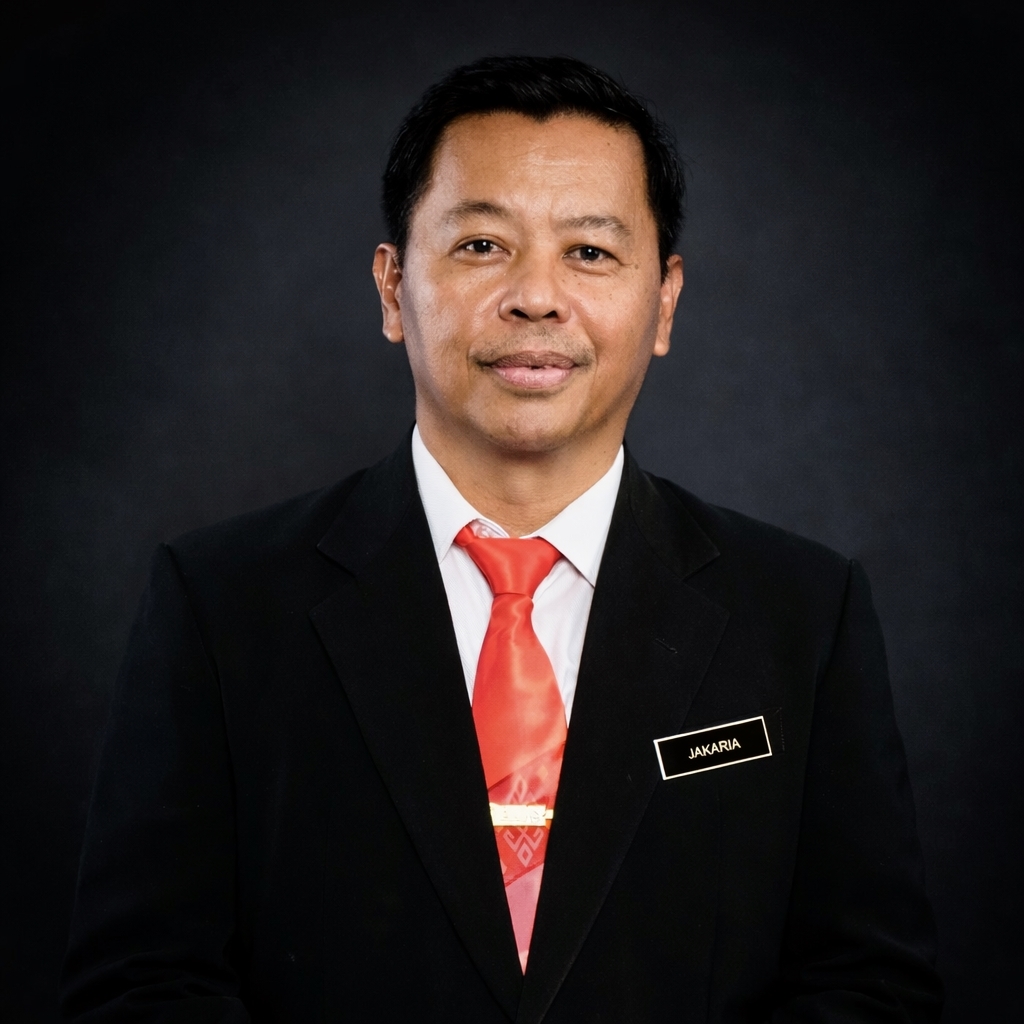
Article By : Associate Prof. Dr. Jakaria Dasan, Faculty of Business, Economics, and Accountancy |
Organizations in Malaysia are currently facing a time bomb that is rarely discussed openly or seriously before it detonates. This time bomb is what we refer to the erosion of employee focus due to economic pressure stemming from the conflict between Iran and the Israel-United States alliance.
Although separated by thousands of kilometres, the ripples from this conflict in the Middle East are a real threat capable of paralyzing supply chains and skyrocketing operating costs in the blink of an eye.
For those of us directly involved in Human Resource (HR) management, the big question is not whether we can stop the conflict, but whether we are prepared to manage the emotional burden and mental fatigue that this economic impact inflicts upon our human capital.
Workforce productivity does not erode drastically overnight. It declines slowly due to employee anxieties over the stability of the cost of living, supply chain disruptions that hinder operations, and a sense of uncertainty regarding the company's future.
When employees' minds shift to these macroeconomic anxieties, their focus in the office plummets, and organizational productivity begins to crack from within.
In navigating this new reality, HR must shift from being mere administrators to becoming the primary pillars that build organizational resilience. We can no longer focus solely on drastic cost-cutting, as such measures will only further deteriorate employee morale.
Instead, we need grounded interventions through three main pillars: transparent communication, empathetic leadership, and strategic task optimization, especially as the economic pressures from geopolitical conflicts intensify.
For example, transparent communication means honestly explaining the impact of global crises on the company so that employees do not get trapped in wild speculations that burden their minds.
Empathetic leadership is translated through simple actions, such as managers taking the time to listen to work stress grievances rather than just pushing for output targets when the economy is uncertain.
Finally, strategic task optimization means stopping the pursuit of ten small things simultaneously. Focus on projects that provide the greatest impact. By reducing non-urgent workloads, we give employees room to breathe amidst economic crisis anxieties, thereby avoiding burnout which ultimately harms the organization's own productivity.
In facing this crisis, the HR department must act as an architect of resilience that drives organizational productivity amidst fiscal constraints or tendencies to implement hiring freezes.
This approach demands strategic action. First, conducting a transparent reassessment of workloads to ensure every task provides maximum impact without compromising mental health (burnout risk).
Second, if new hiring is halted, the focus must shift entirely to upskilling and cross-training to enable the existing workforce to fill productivity gaps more efficiently, where shared HR models can be structured more effectively.
At the top management level, leaders now face the difficult dilemma of maintaining the company's financial competitiveness while ensuring that employees' mental well-being does not become a casualty.
The reality is that anxiety over global crises is not merely a personal sentiment, but rather a primary cause of cognitive interference that destroys the quality of work output.
Thus, balancing business needs with human welfare is not an option, but a strategic necessity. Taking steps to create a culture of transparent communication regarding the company's status is appropriate to curb speculation, in addition to fostering an empathetic work culture that supports mental well-being beyond mere output figure demands.
At the operational level, senior management must immediately shift from reactive short-term defensive strategies to a more proactive long-term human capital sustainability agenda.
True organizational resilience is not built through budget cuts alone, but through an environment that makes employees feel safe and valued.
Concrete strategies such as developing robust contingency plans and implementing organizational flexibility, for example, agile work models, will enable employees to manage personal stress without sacrificing productivity targets.
In truth, it is time for us to stop viewing human capital merely as a line item of costs in financial statements that can be cut at will. Instead, we must begin to recognize them as critical assets that serve as the heartbeat of business continuity.
In a landscape full of uncertainty, highly skilled and motivated talent is a strategic investment that determines whether a company will continue to move forward or just barely survive above water.
Losing top talent during a crisis is not only an operational loss, but a heavy blow to the company's ability to bounce back when the economic storm subsides.
Resilience is not the absence of crisis, but the presence of compassion and agility. The organizations that thrive aren't the ones that never stumble, but those with the people-first strategies to pick themselves up and march forward together.
To employees, do not let anxiety over geopolitical conflicts paralyze your focus. Be grateful because by understanding the dynamics of this crisis, you are now more aware and able to build stronger mental resilience.
To organizational administrators, now is the time to act beyond reactive cost-cutting measures and draft effective long-term strategies. By wisely balancing economic demands and workforce welfare, we can ensure that organizations in Malaysia not only continue to survive but remain competitive and productive, even amidst the intensifying global geopolitical storm.
Author’s Background
Associate Professor Dr. Jakaria Dasan holds a PhD in Human Resource Management and teaches Human Resource Development courses at the MBA level. He serves at the Faculty of Business, Economics, and Accountancy at Universiti Malaysia Sabah, where he is also actively involved in postgraduate research supervision for both Master's and PhD students in the field of human resource management. He can be reached via email at