

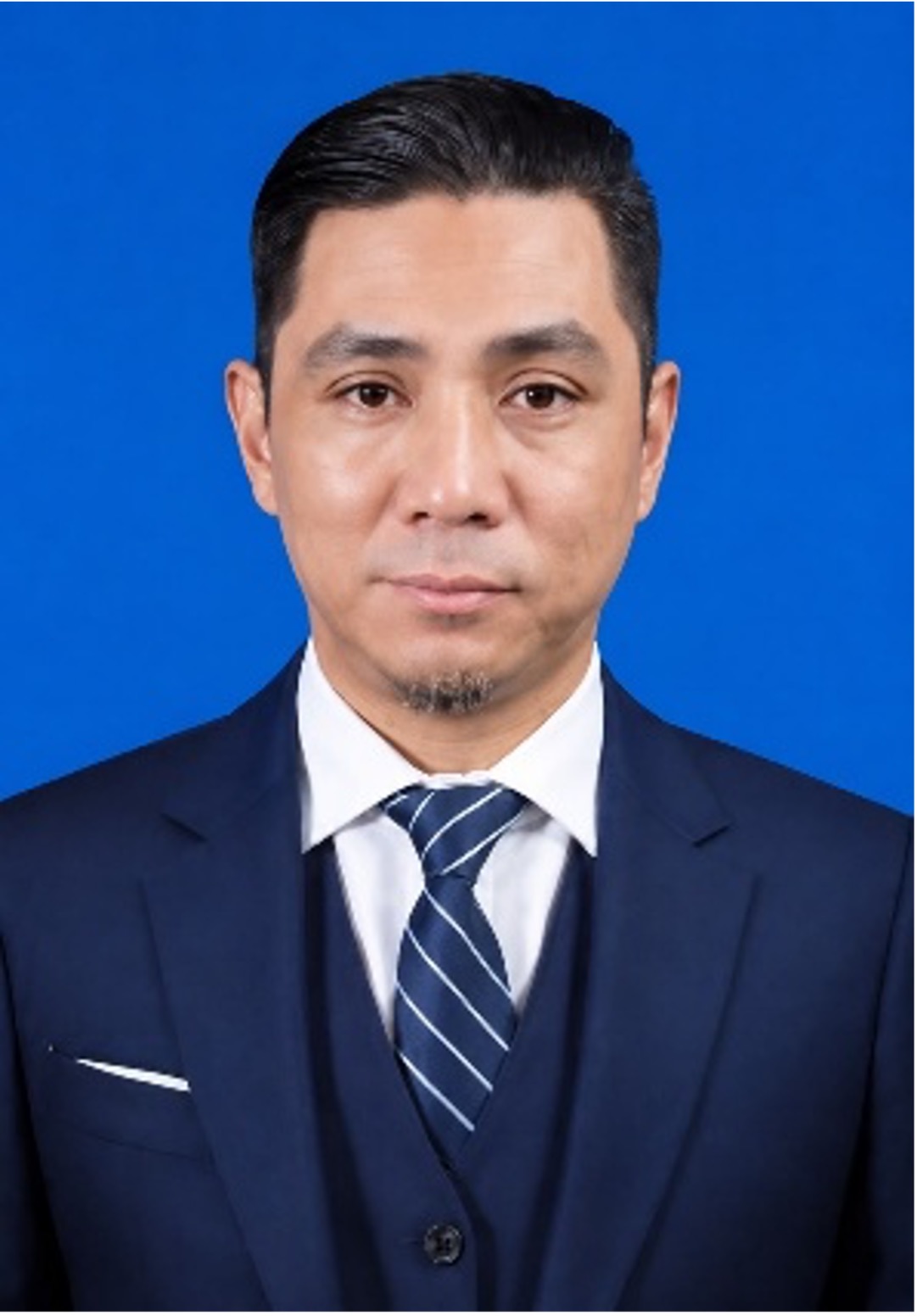
By: Assoc Prof Dr. Mohd Nazri Bin Mohd Daud
Consultant Family Medicine Specialist and International Certified Addiction Professional
Faculty of Medicine and Health Sciences (FPSK) and Hospital Universiti Malaysia Sabah (HUMS) Universiti Malaysia Sabah
_____________________________________________________________________
The recent series of drug-related arrests involving Malaysian citizens in Indonesia has understandably generated significant public concern and discussion. While each case must be investigated individually and fairly by the relevant authorities, these incidents serve as a critical reminder that the modern drug problem is complex, dynamic, and increasingly transnational. It cannot be addressed through a single strategy.
Malaysia has long adopted a comprehensive approach that incorporates prevention, treatment, and rehabilitation alongside law enforcement and supply reduction. These components should not compete; rather, they must reinforce one another.
Effective drug control relies on two mutually supporting pillars. Strong enforcement cuts off the supply of illicit drugs and protects our borders, while proactive demand reduction protects our citizens from substance use disorders, exploitation, and addiction. Both pillars are indispensable to building safe, healthy, and resilient communities.
As a family medicine specialist and addiction professional involved in prevention, treatment, and recovery advocacy, I believe the current situation provides an important opportunity. We must use this moment to intensify evidence-based drug demand reduction, rather than responding solely with fear, stigma, or public condemnation.
The Frontline of Prevention Exists in the Community
Drug demand reduction is a proactive strategy that must begin long before a person encounters law enforcement or the justice system. The true frontline of prevention exists within our families, educational institutions, workplaces, healthcare systems, and the broader community. Investing in these foundational areas is key to sustainable drug prevention.
Prevention must also go beyond basic awareness campaigns or occasional messages telling young people to simply "say no to drugs". International evidence, including standards from the WHO and UNODC, increasingly supports developmentally appropriate, health-centered approaches. Effective prevention strengthens protective factors and reduces risk factors across all stages of life, incorporating:
· Parenting and family-strengthening programs.
· Life and social skills development.
· Supportive school environments and mental-health promotion.
· Positive youth development and targeted interventions for vulnerable individuals.
To maximize impact, prevention efforts must be carefully calibrated to the level of risk: deploying universal prevention for the general population, selective prevention for high-risk groups, and targeted indicated early interventions for those already displaying early signs of substance use.
Detecting Risk Early & Expanding the Continuum of Care
Malaysia must progressively strengthen the early identification of substance use within healthcare, educational, occupational, and community settings. Primary healthcare plays an especially vital role; validated screening, brief interventions, and appropriate referrals can identify risky substance use before it progresses into severe drug-related problems.
Furthermore, workplaces—especially safety-sensitive occupations—should pair prevention policies with confidential pathways for early help, assessment, and treatment, rather than relying merely on punitive responses after a crisis has occurred.
The guiding principle of our healthcare response should be clear: Identify risk early, intervene proactively, treat appropriately and support recovery continuously.
People who develop drug use disorders require accessible, ethical, and evidence-based healthcare as drug dependence is not addressed effectively by stigma alone. Treatment systems should provide a full continuum of care, encompassing medical and psychological assessment, pharmacological and psychosocial treatment, management of co-occurring mental and physical health issues, relapse prevention, and long-term recovery support.
Building Drug Resilience in Sabah
Ensuring accessible treatment is particularly crucial for Sabah, where geographical distance, rurality, and uneven access to specialized services can create barriers to early intervention and continuing care.
Recent national data reinforces the importance of maintaining focus on Sabah. In Parliament last month, the Government reported that 3,553 individuals were detected for drug and substance misuse in Sabah between January and March 2026, with amphetamine-type stimulants accounting for the overwhelming majority. This data should encourage us to intensify our integrated approach.
While Sabah's geographical position and extensive international borders present challenges, the state possesses tremendous strengths. Our families, villages, schools, healthcare workers, community leaders, NGOs, youth organizations, and government agencies are powerful community assets.
By integrating these assets into our drug-control infrastructure, we can develop communities capable of recognizing risks early, connecting affected individuals with professional help, and supporting people throughout long-term recovery.
Towards Dadah Terkawal 2030: Measuring Shared Success
As Malaysia advances towards the aspiration of Dadah Terkawal 2030, we must continue to strengthen the comprehensive approach already embedded within the country's drug-control framework.
Our progress should be reflected not only through drugs seized, syndicates disrupted, and trafficking prevented, but equally through:
· Fewer young people initiating drug use.
· Stronger protective factors among children and adolescents.
· Earlier identification of risky substance use.
· Greater access to evidence-based treatment.
· Fewer relapses and drug-related complications.
· Measurable reductions in the overall demand for illicit drugs.
Far from conflicting with one another, these objectives act as interconnected markers of our nation's progress. In fact, the National Drug Policy explicitly unites both supply and demand reduction under a single, cohesive framework
A Moment for Reflection, Not Blame
The recent incidents involving Malaysians overseas should not become an opportunity to stigmatize Sabahans, Malaysians, people who use drugs, or any specific profession. Instead, these incidents should prompt a constructive national conversation.
As drug markets, synthetic substances, and criminal recruitment methods evolve, our prevention, treatment, and recovery systems must evolve alongside them. Malaysia has highly capable enforcement agencies and committed professionals working across the healthcare and community sectors. The way forward is to strengthen these sectors together.
Every person prevented from starting drug use is a success. Every vulnerable individual identified early is a success. Every patient who enters effective treatment is a success.
Ultimately, reducing the supply of drugs and reducing the demand for drugs serve the exact same national objective: protecting our people, strengthening our communities, and building a safer Malaysia.
A "Total Football" Approach to National Resilience
"Addressing the nation’s drug problem requires the unified strategy of 'Total Football.' Our enforcement agencies act as the defenders and goalkeepers, working tirelessly to block incoming threats and reduce the supply of illicit drugs.
Meanwhile, our prevention professionals healthcare, education and other frontliners personnels in prevention act as the midfielders and strikers, driving demand reduction forward to 'score goals' by saving lives, treating addiction, and protecting futures. A team cannot win a championship by defending alone; we must also score.
Furthermore, this seamless coordination is impossible without the strategic vision of our coaches (the government and key stakeholders), and the unwavering, passionate support of our fans (the community). We will only achieve a drug-resilient nation if we play as one team."
ABOUT THE AUTHOR / EXPERT
Associate Professor Dr Mohd Nazri Bin Mohd Daud is a Consultant Family Medicine Specialist, International Certified Addiction Professional and Head of the Department of Family Medicine, Faculty of Medicine and Health Sciences, Universiti Malaysia Sabah (UMS) and Hospital Universiti Malaysia Sabah (HUMS).
He received Master in Family Medicine from USM and specialised training and a Fellowship in Addiction Medicine from the University Malaya Centre of Addiction Sciences (UMCAS) and has continued to contribute as a UMCAS Fellow.
He has been actively involved in drug demand reduction, addiction prevention, treatment, rehabilitation and recovery advocacy for more than a decade. He was previously honoured to serve as a Sabah National Anti-Drugs Agency (AADK) Icon, in recognition of his contribution to drug prevention and community-based drug demand reduction in Sabah.
He also contributes to ISSUP Malaysia in the Research and Development portfolio and leads HARMONI (Holistic Addiction Care and Outpatient Mental Health Services), an initiative providing integrated addiction and mental health services for rural communities in Sabah. His work in community-based drug prevention and demand reduction has received local, national and international recognition.