
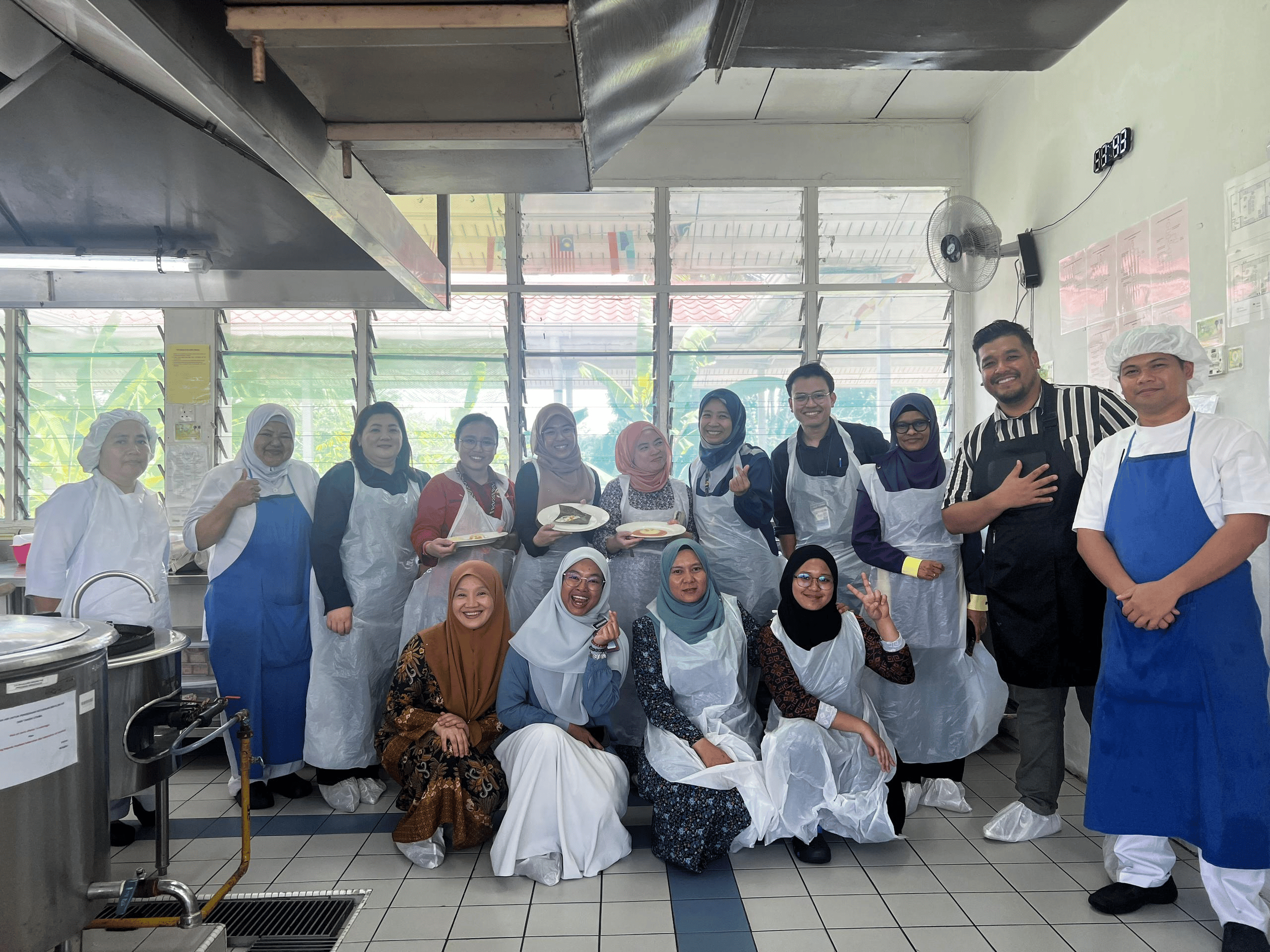
The Faculty of Food Science and Nutrition (FSMP) at Universiti Malaysia Sabah (UMS) partnered with the Sabah State Hospital Dietetics and Catering Department to revolutionize clinical meal preparation for patients with dysphagia. Executed by academic experts and hospital food service teams, the collaborative initiative implemented the International Dysphagia Diet Standardization Initiative (IDDSI) framework for the first time in a Malaysian public healthcare setting. The program aimed to deliver safe, textured, and appetizing meals to mitigate malnutrition and curb high hospital plate waste among vulnerable patients.
This strategic partnership was established to address an urgent healthcare challenge driven by Malaysia's aging demographic, where elderly citizens are projected to comprise 20% of the population by 2056, along with rising stroke and cancer recovery cases. By collaborating directly with the Sabah State Hospital Dietetics and Catering Department, FSMP aimed to translate academic food science research into practical healthcare solutions. The initiative aligns with UMS and FSMP strategic goals to pioneer clinical food innovation, improve public health outcomes, and enhance clinical dietetics operations across Sabah.
Central to the program was hands-on training for hospital catering staff in preparing textured, nutritionally dense meals compliant with IDDSI clinical guidelines. Crucially, this standardized approach tackled severe hospital food waste—which previously reached 68% for traditional puréed diets—by ensuring clinical meals were visually appealing, safe, and palatable. "By implementing the IDDSI framework together with state healthcare leaders, UMS is bridging academic research and clinical practice to ensure dignified, high-quality nutritional care for vulnerable patients," said Assoc. Prof. Ts. Dr. Hasmadi Mamat, Dean of FSMP.
Moving forward, this initiative sets a benchmark for integrating standardized clinical dietetics into public healthcare systems, with plans to expand the training framework across regional medical centers. The project directly supports United Nations Sustainable Development Goal 3 (Good Health and Well-Being) by improving clinical care quality, reducing malnutrition risks, and preventing choking hazards in dysphagia care. Additionally, it advances SDG 12 (Responsible Consumption and Production) by drastically reducing hospital food waste, supports SDG 10 (Reduced Inequalities) by providing specialized care to elderly and disabled patients, and embodies SDG 17 (Partnerships for the Goals) through multi-sectoral cooperation between academia and public healthcare institutions.
Sabah Media: https://sabahmedia.com/2024/03/28/fsmp-ums-kongsi-kepakaran-bagi-perkasa-menu-makanan-pesakit-disfagia/