PROGRAMME AIMS, OBJECTIVES AND LEARNING OUTCOMES
Programme Aims:
To train balanced, competitive human resource in Food Technology and Bioprocessing through internationally recognized and innovative academic programme that contribute to the global food industry as well as socio-economic development of the nation.
Programme Objectives (PO):
- Produce graduates knowledgeable graduates in Food Technology and Bioprocessing that are recognized in national and international level.
- Produce graduates with competent technical skills to accomplish task and responsibility in food or related industries.
- Produce graduates that are able to think critically and provide solutions to the problems in food or related industries.
- Produce graduates that demonstrate good social skills, values, attitude, ethics and professionalisms that characterize the profession of Food Technologist.
- Produce graduates that demonstrate the awareness for entrepreneurial skills as well as lifelong learning and professional development by pursuing independent study.
Programme Learning Outcomes (PLO):
Upon successful completion of the program, graduates are expected to be able to:
|
PLO1 |
Demonstrate a comprehensive knowledge and apply important principles or concepts in Food Technology and Bioprocessing. |
|
PLO2 |
Display required technical skills required in Food or related industries. |
|
PLO3 |
Demonstrate courteous social skills and responsibility in engaging with community and food or related industries. |
|
PLO4 |
Manifest very good values, attitudes, ethics and professionalisms in completing tasks related to food or related industries. |
|
PLO5 |
Communicate courteously in a group which transcribe into good leadership and effective teamwork management. |
|
PLO6 |
Think critically and apply scientific skills in providing solutions to problems and challenges face by food or related industries. |
|
PLO7 |
Perform self-directed learning through effective information handling that ensures the lifelong learning for continuous self-improvement. |
|
PLO8 |
Demonstrate managerial and entrepreneurial skills to transform the idea or scientific outputs into business opportunities. |
PROGRAMME AIMS, OBJECTIVES AND LEARNING OUTCOMES
Programme Aims
The program aims to produce competent and knowledgeable professionals in the field of food science and nutrition to meet the market demands and aspirations of national development.
Programme Objectives (PO):
A few years after successful completion of the programme, our graduates are:
- Able to apply their knowledge and act responsively to the contemporary issues associated with food industry.
- Competent in technical skills and able to carry out activities and tasks related to quality assurance and R&D.
- Capable of critically analyzing and solving problems related to food science and nutrition.
- Able to communicate effectively with good interpersonal skills, innovative minds and willingness to take challenges at national or international level.
- Aware of current economic, social and ethical issues that promote life-long learning and entrepreneurial mind-set for continuous self-improvement.
Programme Learning Outcomes (PLO):
Upon successful completion of the programme, graduates are expected to be able to:
|
PLO1 |
Demonstrate a comprehensive understanding and able to apply relevant knowledge in the field of food science and nutrition for the benefit of the industry. |
|
PLO2 |
Demonstrate practical/technical skills in food science and nutrition (laboratory/field work). |
|
PLO3 |
Demonstrate effective social skills and engage with the food industry. |
|
PLO4 |
Demonstrate very good values, attitudes, ethics and professionalism in carrying out tasks related to food science and nutrition or within the food industry. |
|
PLO5 |
Demonstrate effective communication skills as an individual or group, leadership skills and teamwork skills to complete assigned tasks. |
|
PLO6 |
Think critically and apply scientific skills in solving problems and challenges related to the food and health industry. |
|
PLO7 |
Perform self-directed learning through effective information handling and recognize the importance of lifelong learning for continuous self-improvement. |
|
PLO8 |
Demonstrate managerial and entrepreneurial skills to transfer some of the idea or scientific outputs into business opportunities. |
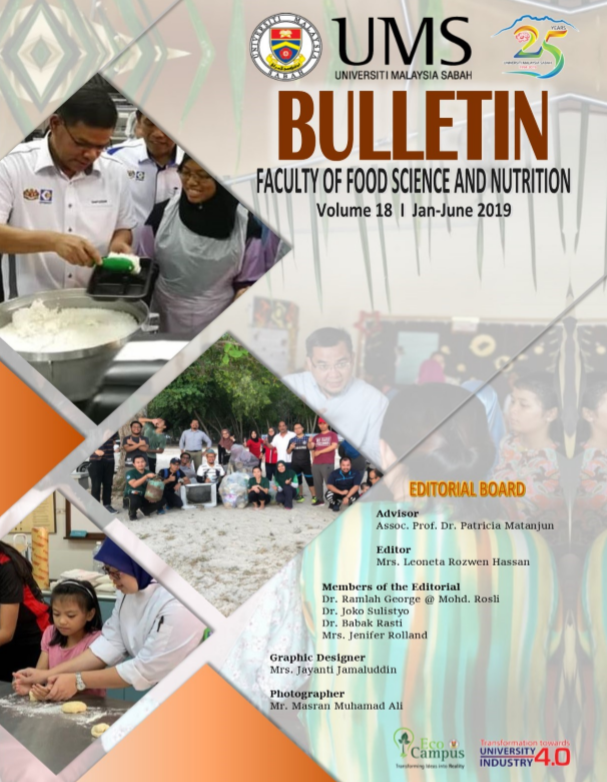
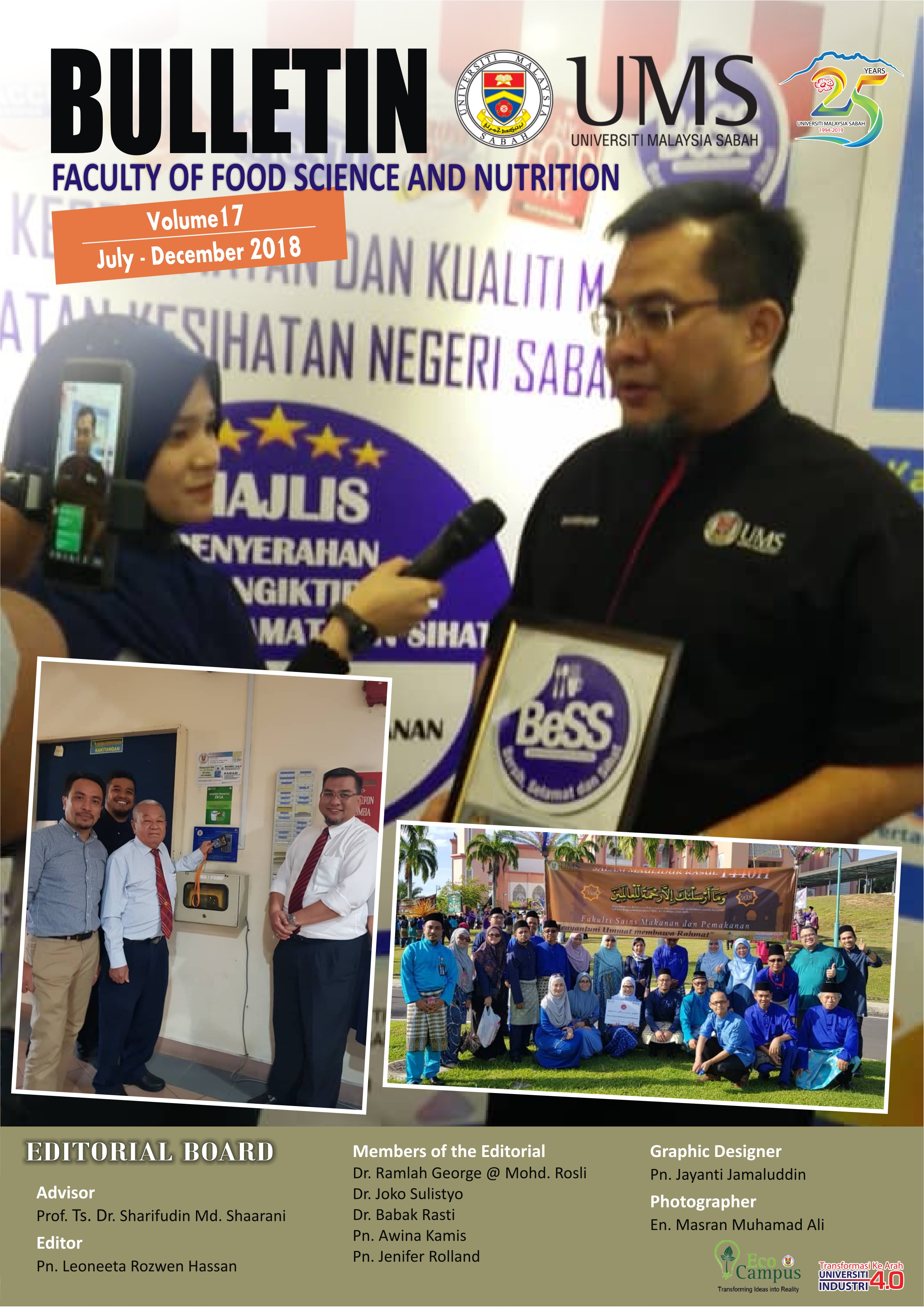
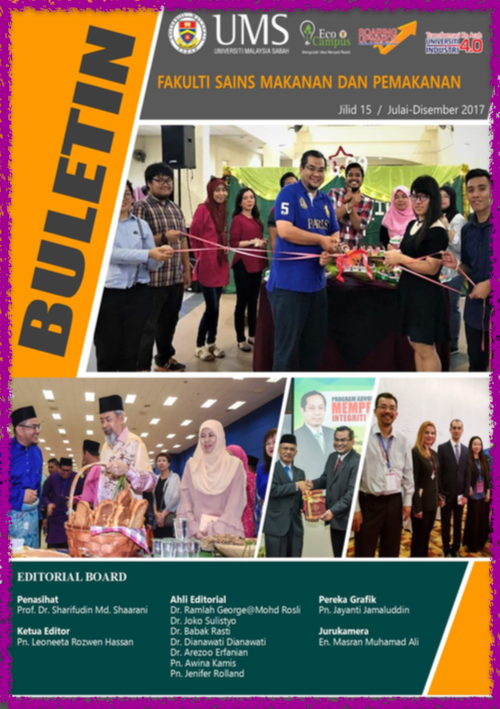
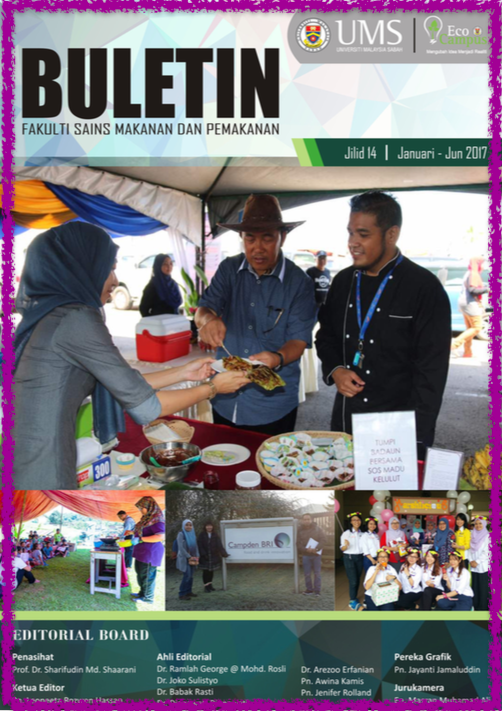
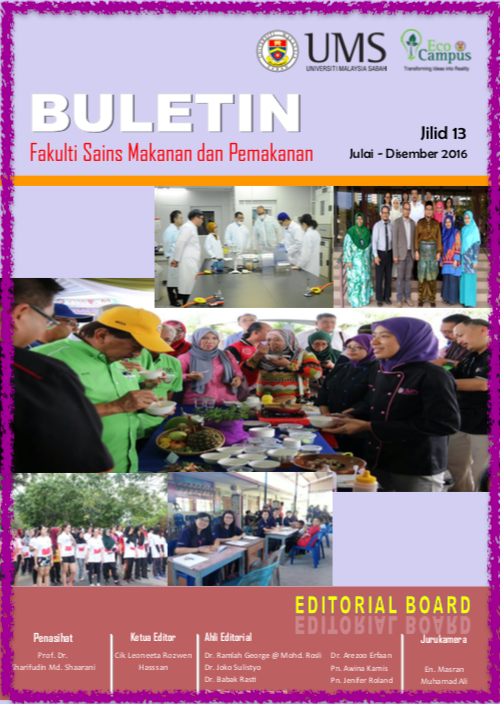
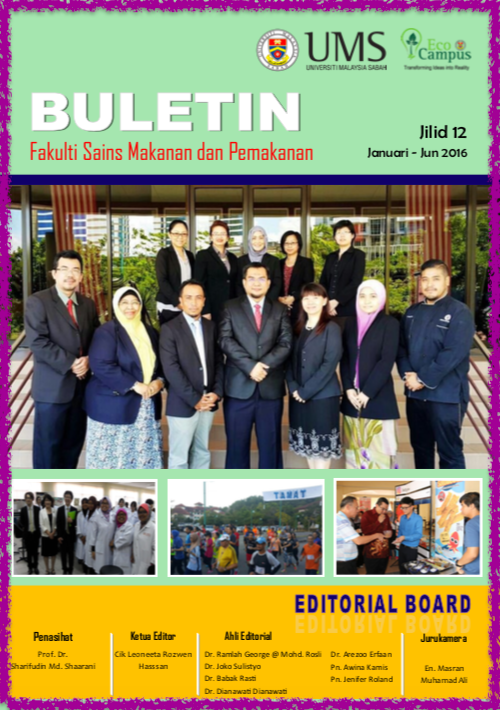
Click on the cover page below to be directed to a full version of Bulletin
FSMP Mobility Students Program
Promoted by the Ministry of Higher Education, FSMP aims to facilitate and provide a unique platform for students to obtain an overseas journey and cultural experience, in addition to the exposure to various disciplines about food science, food technology, and bioprocess, food service, as well as nutrition.
Three types of mobility programs are offered at the moment:
1. With credit hours transfer, duration: 1 semester
Students are allowed to choose courses offered during the registered semester for credit transfer. All courses are conducted in English. Students are deem required to attend all lectures and assessment methods determined by the course instructor for the eligibility of credit transfer.
2. Without credit hours transfer, duration: 2 months minimum
Students are usually enrolled in this program for final year project or research study. Each student will be assigned to an academician for the monitoring and assessment of the progress of the project or research study. It can also be jointly supervised by the academician of the original University of the student.
3. Without credit hours transfer, duration: 2 weeks
Students in this type of program will gain learning experience with our current students in selected courses, as well as exposure to the local cultural aspects around the town. Throughout the duration of stay, students will be assisted by assigned academician and student(s).